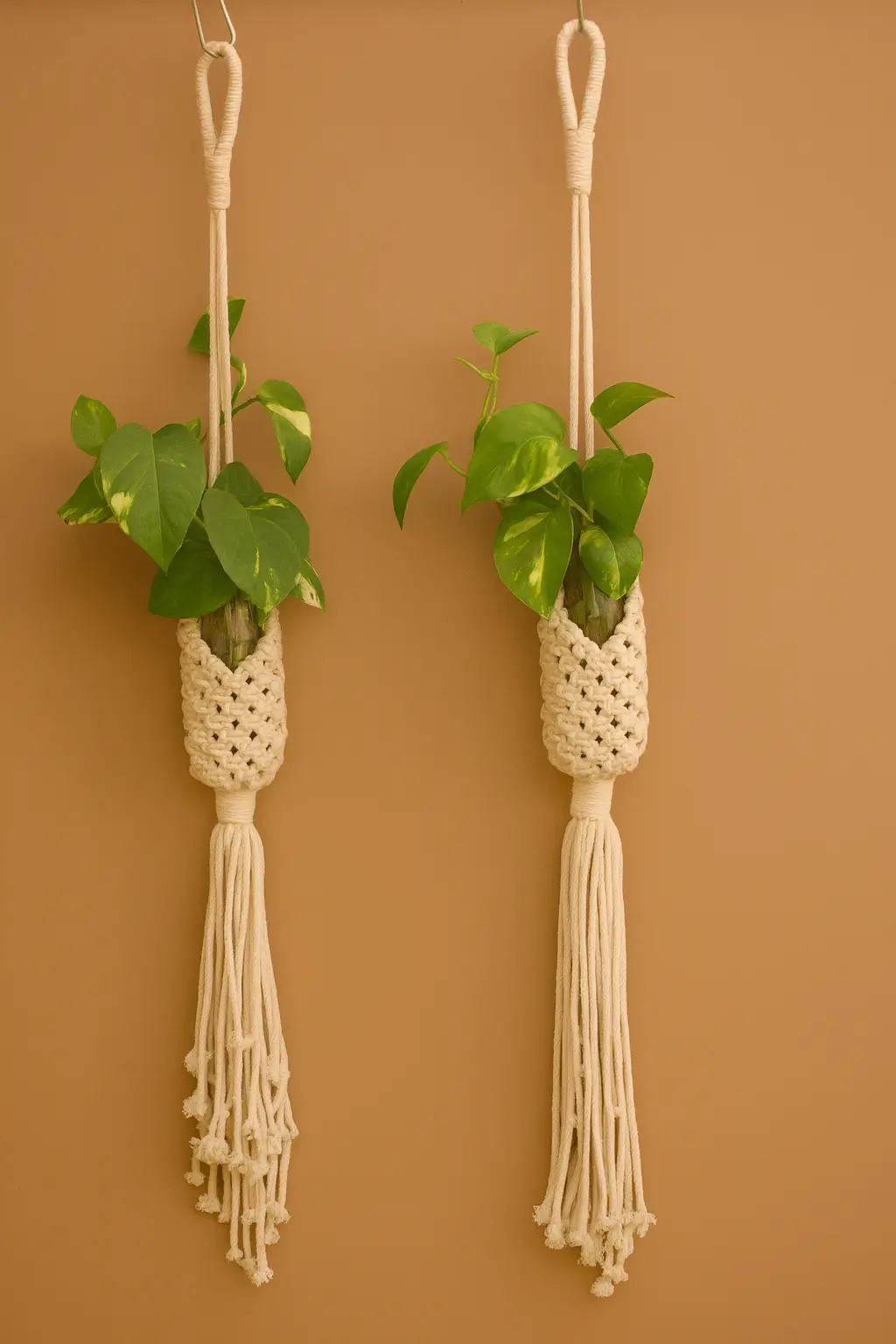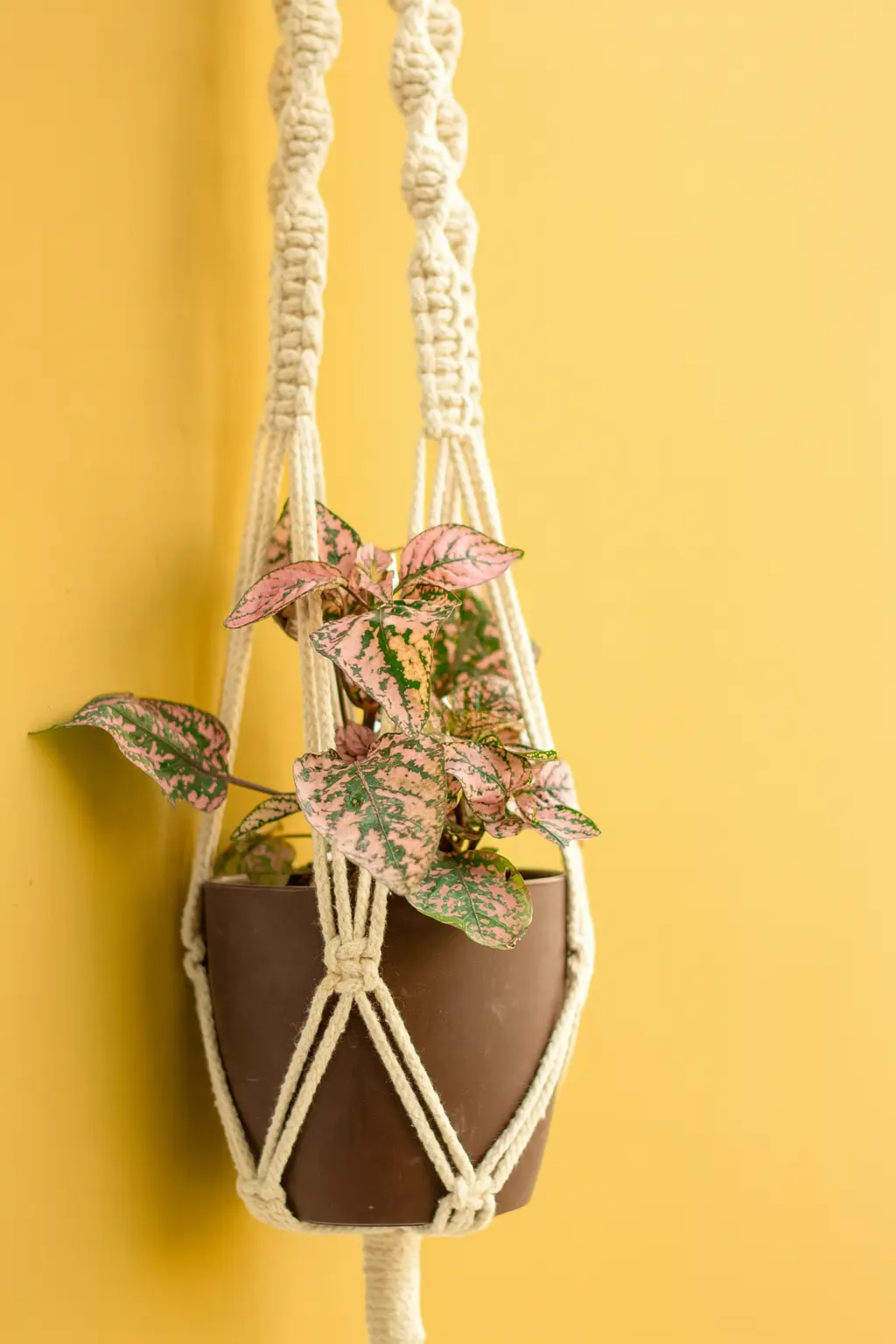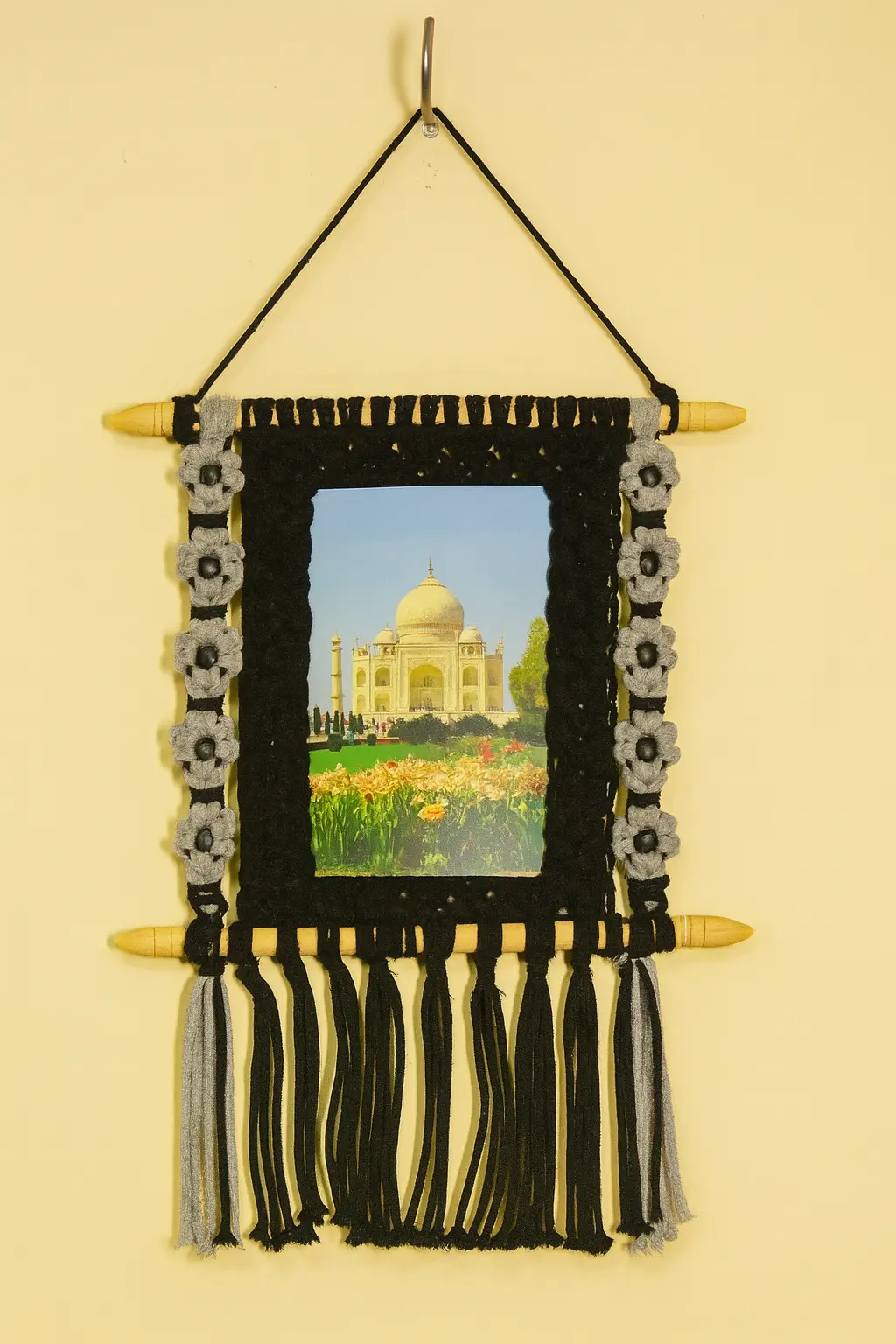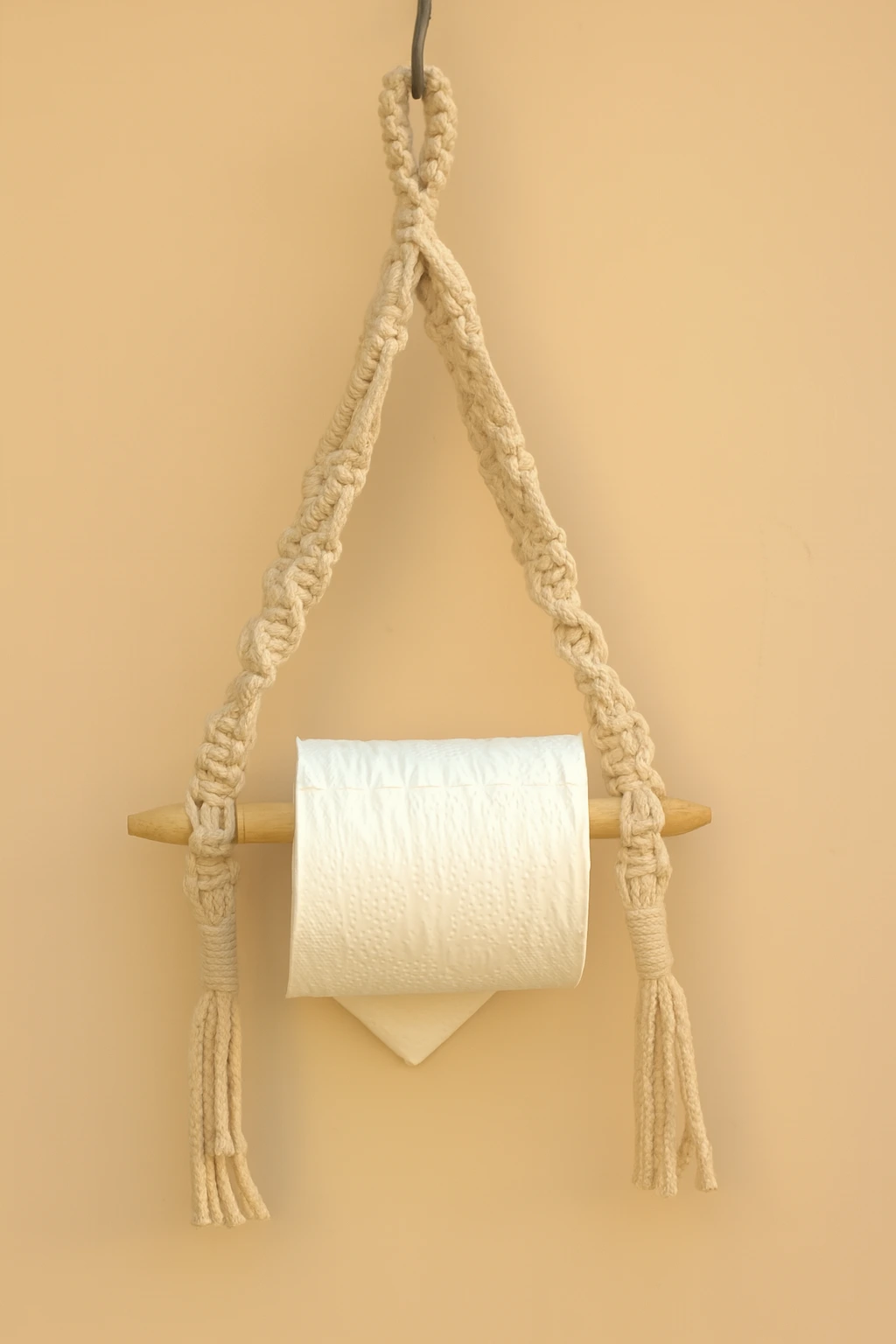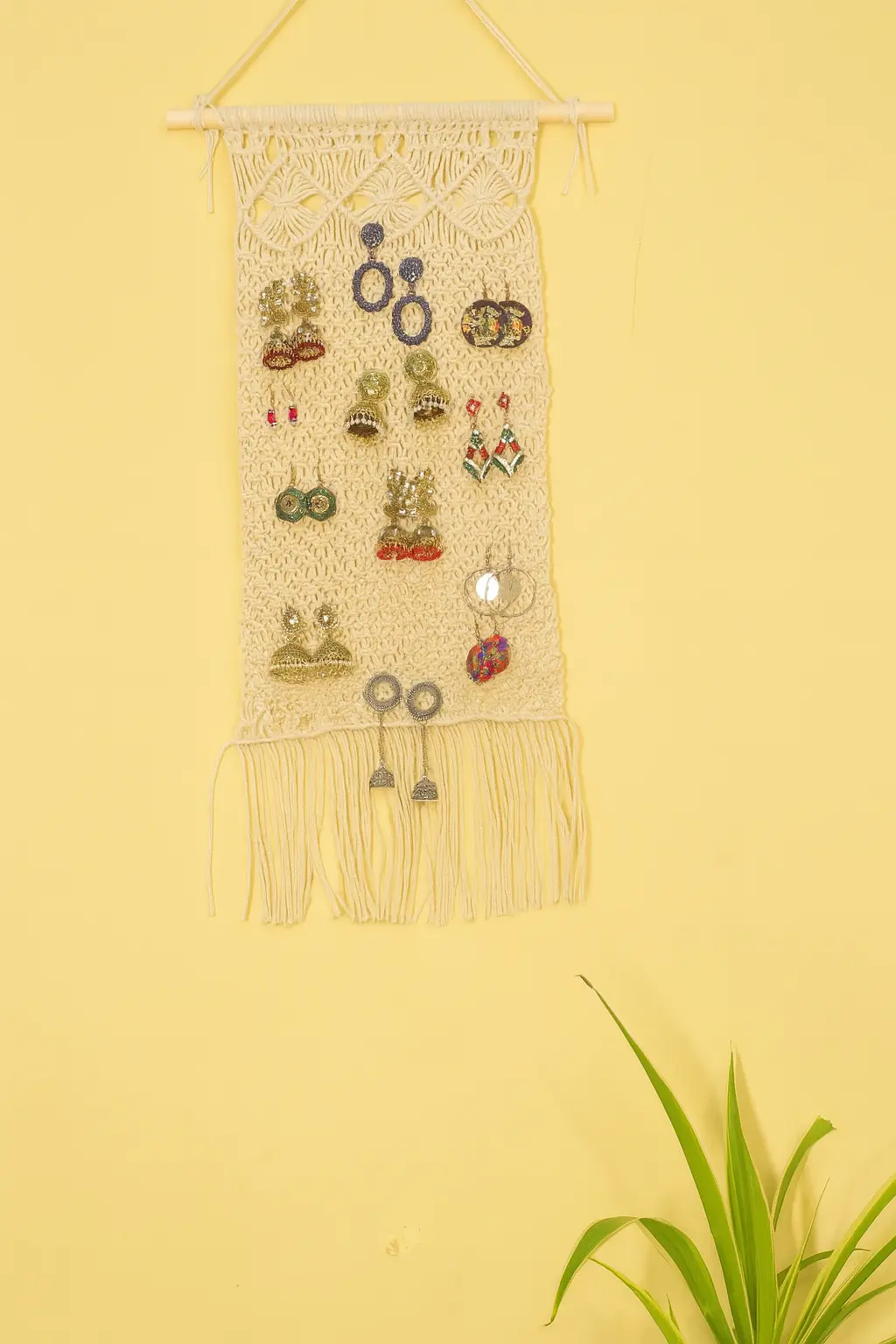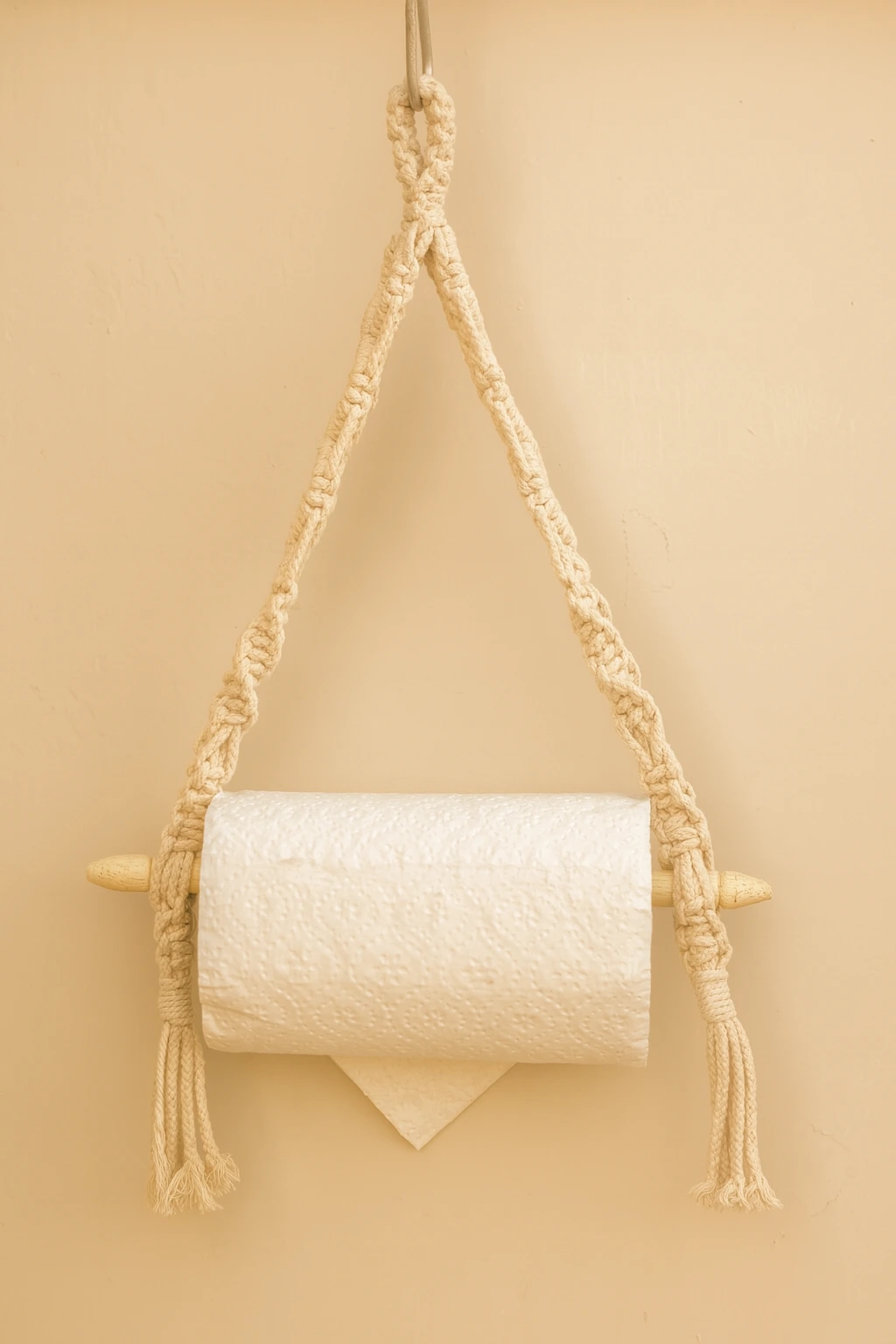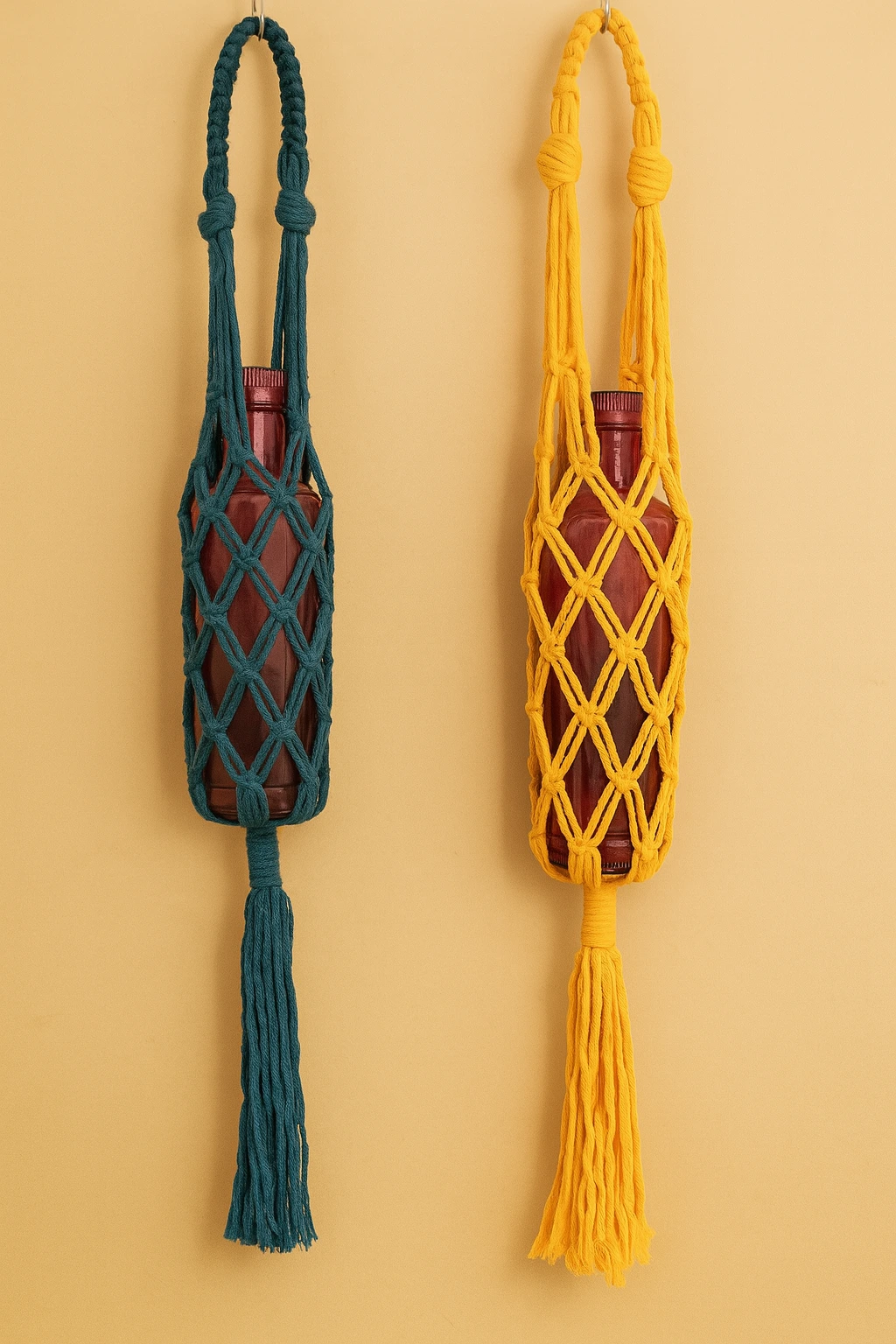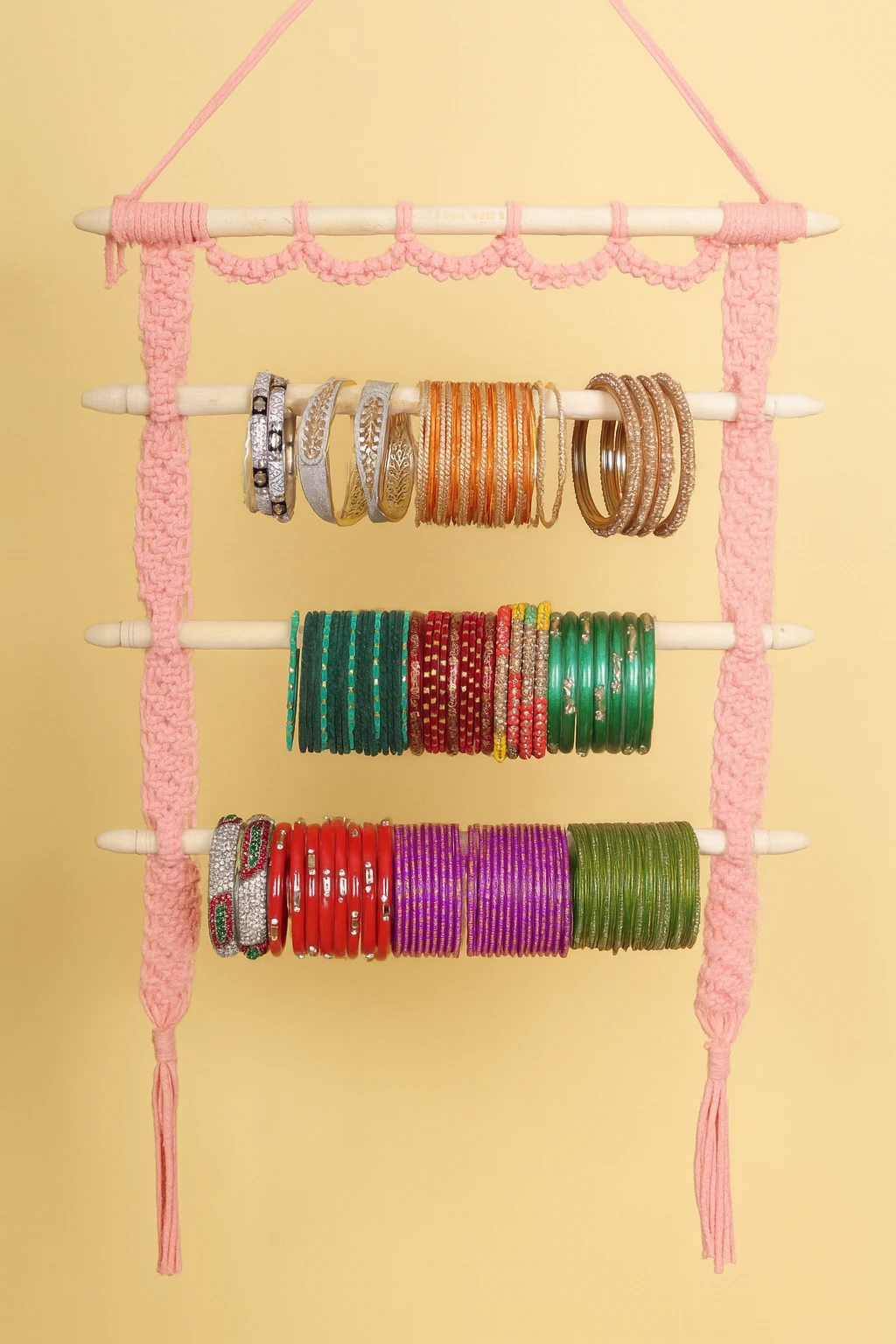
Eco-Friendly Hanging Decor Pieces That Substitute Plastic & Bring Style
When we think of home décor, most of us imagine


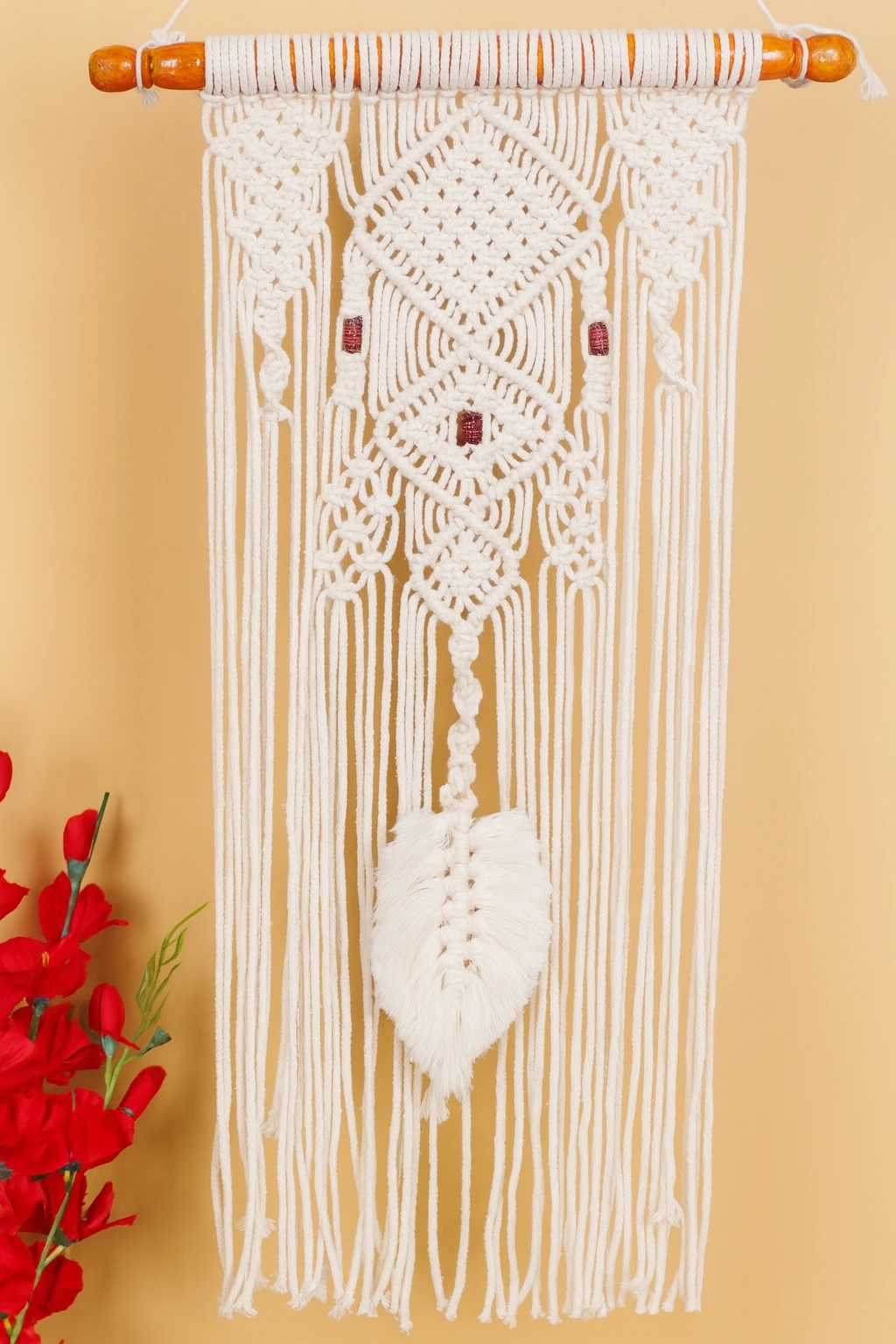
History of Bohemian macrame art is influenced by ancient civilization, European artistry, sailors traditions and the bohemian subculture which started in Eastern Europe with Romani people and those living unconventional in 19th century France.
Macrame’s roots can be traced to the 13th century Arabic world where Arabic weavers used decorative knots to finish edges of textiles such as towels, shawls and veils. Some sources trace back to ancient Assyrian and Babylonian civilizations.
Sailors played vital role in making macrame knotted designs to adorn their ships and trading crafted goods at various ports.
It was during Victorian era in 19th century macrame became essential household artistry in tablecloths, bedspreads, curtains and clothing and primarily seen as essential skill for women.
The Bohemian and hippie movement in 1960s and 1970s came back with resurgence in handmade, natural art and living with earthy bohemian aesthetic appearing in wall hanging, plant hangers and other fashions.
Today the boho-chic home offers Bohemian macrame artistry with craftsmanship and individual creativity displayed in homes with latest fashion and interior design trends.
History of Bohemian art has been given to us as a legacy which is a symbol of creativity and individualism for craft and self-expression.

When we think of home décor, most of us imagine
Eco friendly products are those which cause little or no

Sign up to be the first to know about new product launches, promotions, and exclusive offers.

WhatsApp us